
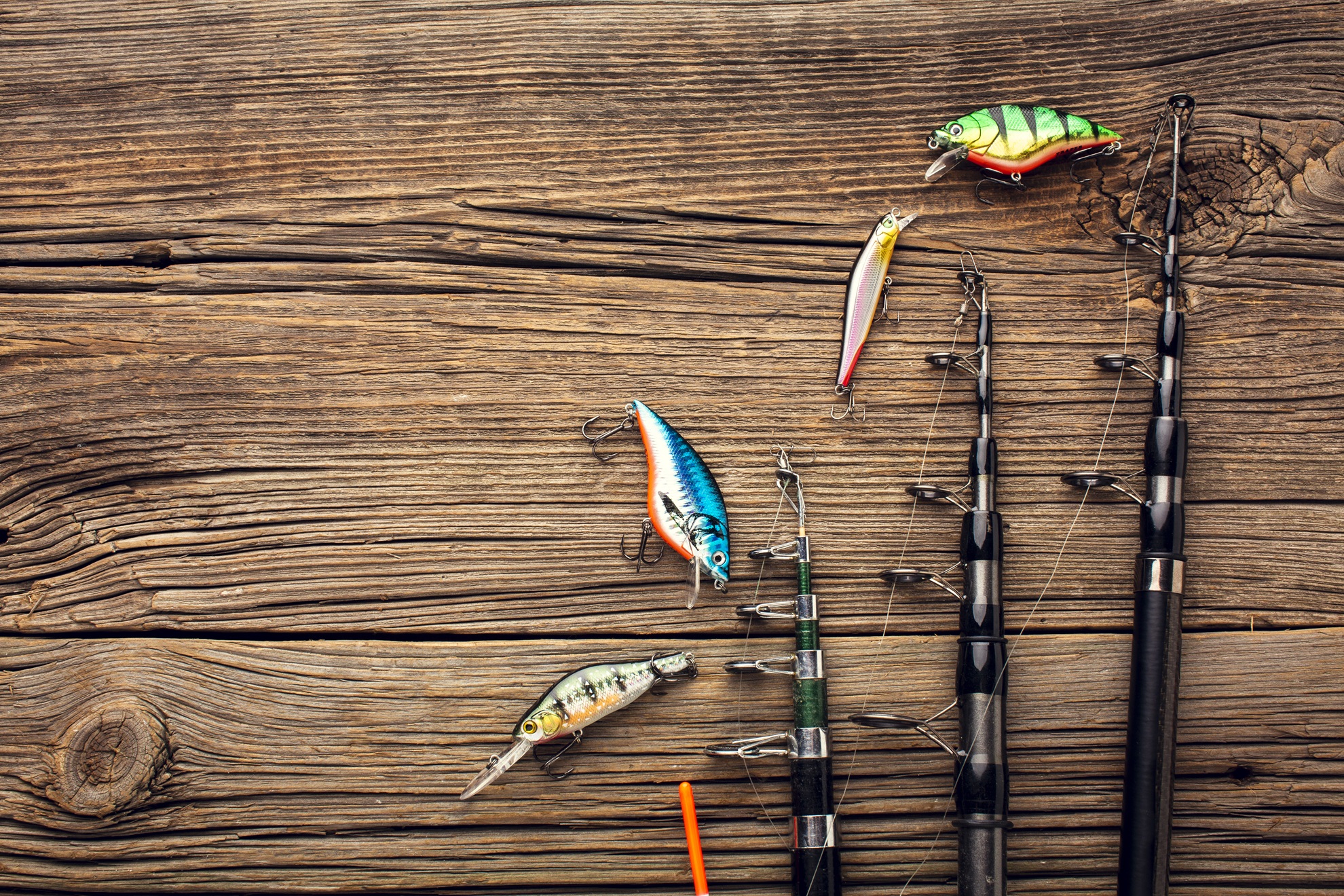
Top 5 essential fishing equipment for beginners

Getting started in the world of fishing can actually be overwhelming due to the wide range of tackle and equipment options available. From fishing rods and reels to lures, baits and accessories, the choice can be daunting for beginners. However, having the right gear tailored to your fishing style, target species and location can greatly enhance your fishing experience.

Investing in quality equipment not only increases your chances of catching fish, but also ensures your safety and comfort on the water. A well-chosen rod and reel combination that matches your skill level can make casting easier and more efficient. Likewise, a well-organized tackle box with essential lures, bait and tools can save you time and frustration when fishing.


 

1. combination of fishing rod and reel:

A high-quality rod and reel combination is essential for beginners. Look for a combination that is suitable for beginners, such as a lightweight spinning combo. Brands such as Shimano and Daiwa offer affordable yet high-quality options that are perfect for beginners.

2. tackle box basics:

A well-stocked tackle box is crucial for a successful fishing trip. Include basic lures and baits that are suitable for different fishing conditions. In addition, tools such as pliers, scissors and line cutters are essential for handling fish and cutting lines.

3. fishing line:

Choosing the right fishing line is often overlooked, but is crucial to fishing success. Types of fishing line include monofilament, fluorocarbon and braided lines. Monofilament lines are great for beginners due to their versatility and ease of use.

4. fishing license:

Before you go fishing, make sure you have a valid fishing license. This is required by law in most areas and helps to support conservation efforts. You can obtain a fishing license online or from local retailers.

5. comfortable fishing clothing:

Comfort is key when you're spending hours on the water. Invest in sun protective clothing, hats and sunglasses to protect yourself from harmful UV rays. In addition, waterproof gear and shoes are essential on rainy days to stay dry and comfortable.

Conclusion:

Investing in quality fishing equipment as a beginner can significantly improve your fishing experience. Whether you're fishing from the bank, boat or kayak: With the right equipment, you'll increase your chances of catching fish and enjoying your time on the water.
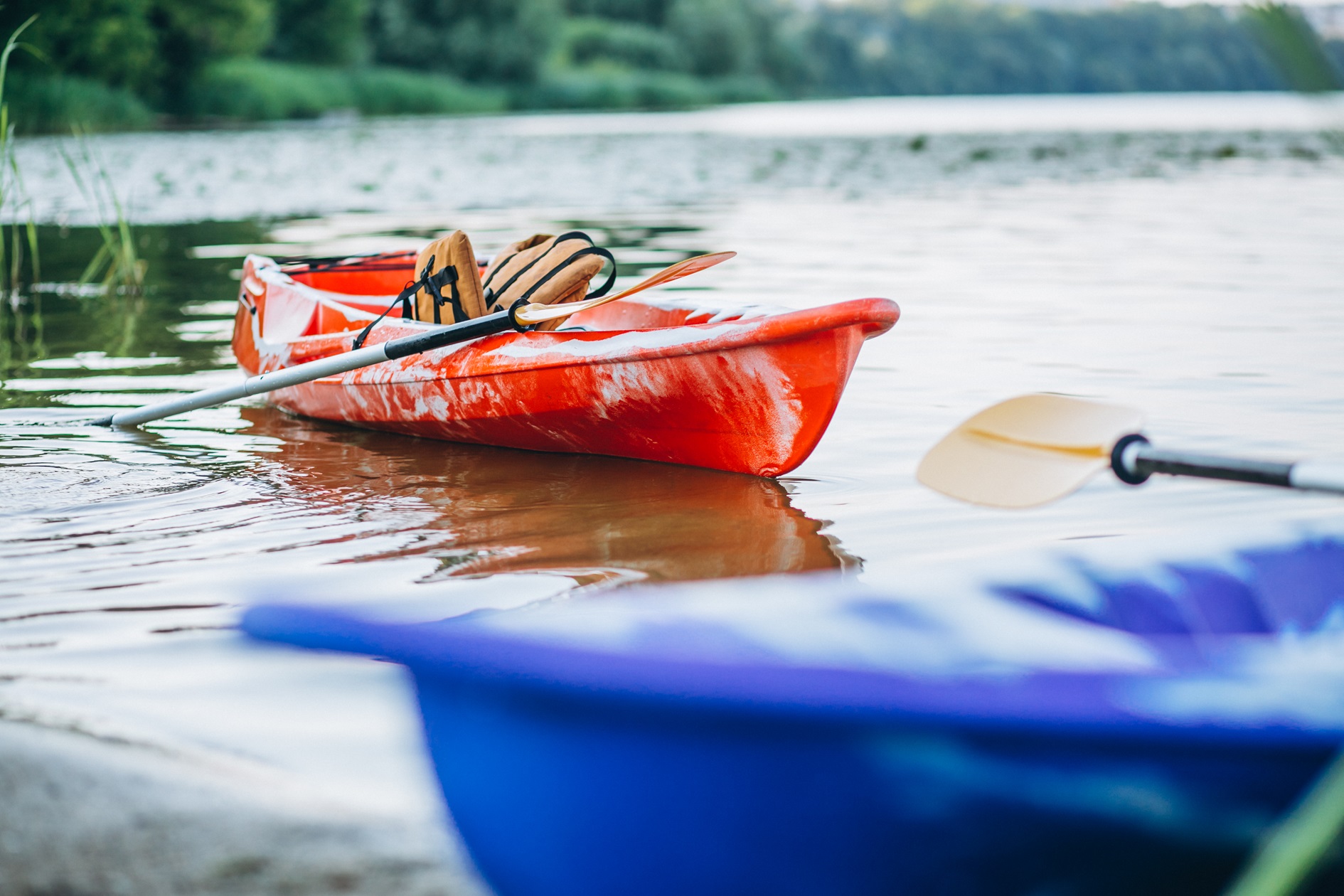
How to choose the right fishing kayak

Kayak fishing has become increasingly popular in recent years, and for good reason. Kayak fishing offers anglers a unique and intense experience as they have access to remote fishing spots and can enjoy the tranquillity of being close to the water. The benefits of kayak fishing go beyond just catching fish. It's a great way to stay active, connect with nature and enjoy peaceful moments away from the hustle and bustle of everyday life.

1. types of fishing kayaks

Sit-on-top vs. sit-on-top kayaks:
Sit-on-top kayaks are more stable and easier to get in and out of, making them ideal for beginners and anglers who prefer an open design. Sit-on-top kayaks offer better protection from the elements and are suitable for colder climates or rougher waters.

Inflatable vs. rigid kayaks:
Inflatable kayaks are portable and easy to store and transport, making them a great option for anglers with limited space or for those who like to fish on the go. Rigid kayaks, on the other hand, offer better performance and durability, making them suitable for frequent or more demanding fishing trips.

2. size and weight capacity

Choosing the right kayak size:
When choosing a kayak, consider your body size and fishing equipment. A kayak that is too small can feel cramped, while one that is too large can be difficult to paddle and maneuver.

Weight capacity and storage options:
Pay attention to the weight capacity and storage options to make sure you have enough space for all your gear. Some kayaks have integrated storage compartments or bungee cords to secure your gear, while others may require additional accessories.

3. stability and maneuverability

Importance of stability for fisheries:
Stability is crucial when fishing from a kayak to ensure your safety and comfort. Look for kayaks with a wider hull or pontoon design for better stability on the water.

Design features of the kayak for easy maneuvering:
Kayaks with a shorter length and a pronounced keel or tracking fin are easier to maneuver, especially in tight spaces or around obstacles. In addition, kayaks with rudder systems or skegs can help to improve tracking and control in changing water conditions.

4. additional functions and accessories

Rod holder, fish finder and storage compartments:
Many fishing kayaks are equipped with integrated rod holders, fish finders and storage compartments to enhance your fishing experience. These features can help you stay organized and focus on fishing without having to constantly reach for your gear.

Comfortable seating and adjustable footrests:
Comfort is key when you're spending hours on the water. Look for kayaks with padded and adjustable seats as well as adjustable footrests to ensure a comfortable and ergonomic paddling position.

5. budget-friendly options

Recommendations for cheap fishing kayaks:
Quality is not always associated with a high price. There are many affordable fishing kayaks that offer good quality and performance. Research different brands and models, read reviews and consider demoing or renting before you buy to find the best kayak that fits your budget.

Conclusion:

Choosing the right fishing kayak is crucial to a successful and enjoyable kayak fishing experience. Whether you value stability, storage space or affordability, there is a fishing kayak to suit your needs, preferences and budget. By investing time in research and trying out different options, you can find the perfect kayak to get the most out of your kayak fishing adventures and create lasting memories on the water.

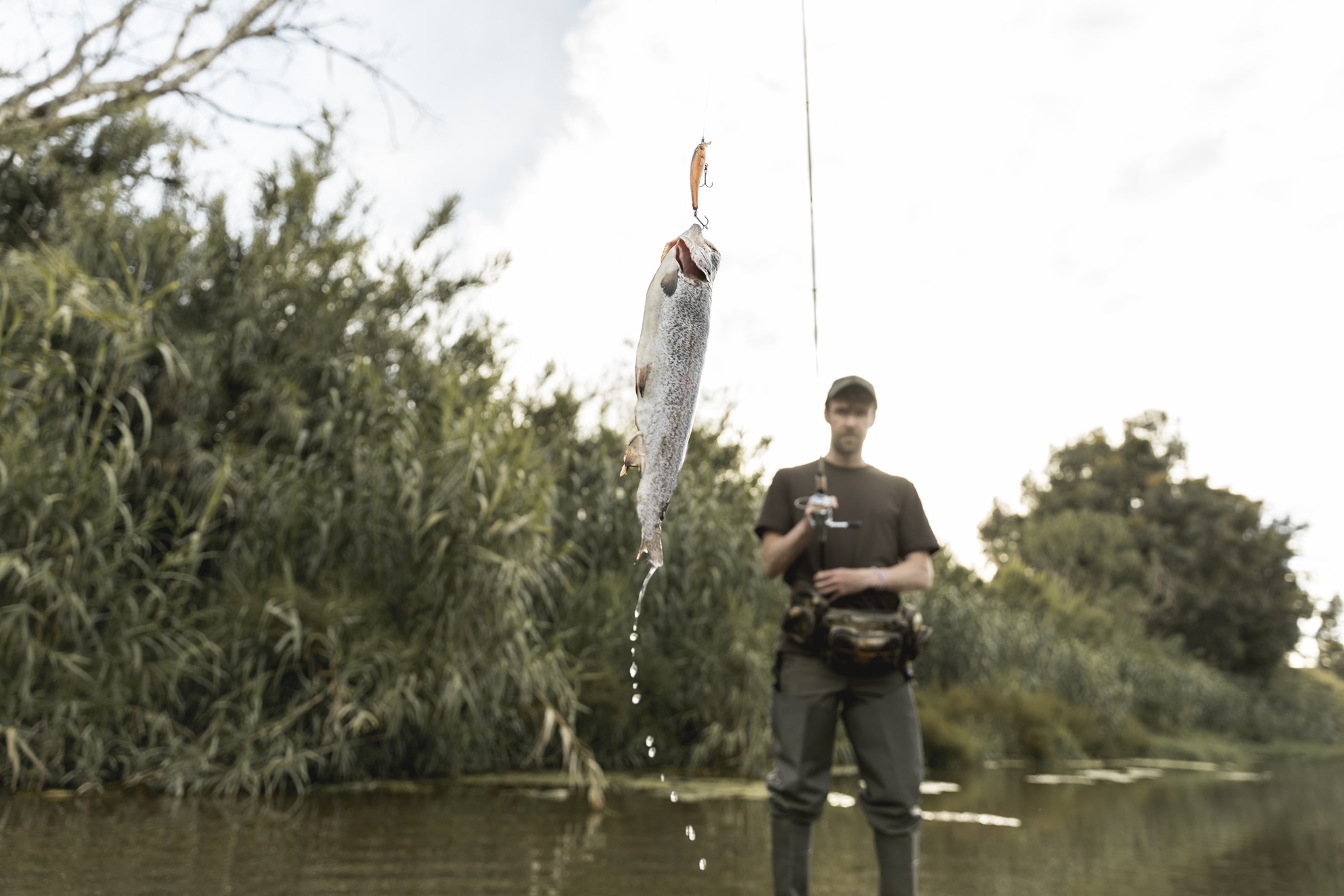
Tips for catching your first fish: a guide for beginners

Catching your first fish is a milestone that every angler remembers fondly. It's a moment full of excitement, anticipation and a sense of achievement that marks the beginning of your fishing journey. Although it may seem challenging at first, especially for beginners, with the right techniques, knowledge and preparation you can increase your chances of that elusive first catch. The journey to your first fish isn't just about the fish itself; it's about learning new skills, understanding nature and enjoying the joy of fishing. As you embark on this exciting adventure, remember that patience, perseverance and a positive attitude are key to making your first fishing experience memorable and successful.


1. types of fishing kayaks

Sit-on-top vs. sit-inside kayaks:
Sit-on-top kayaks are more stable and easier to get in and out of, making them ideal for beginners and anglers who prefer an open design. Sit-on-top kayaks offer better protection from the elements and are suitable for colder climates or rougher waters.

Inflatable vs. rigid kayaks:
Inflatable kayaks offer mobility and are easy to store and transport, making them a great option for anglers with limited space or for those who like to fish on the go. Rigid kayaks, on the other hand, offer better performance and durability, making them suitable for frequent or more demanding fishing trips.

2. size and weight capacity

Choosing the right kayak size:
When choosing a kayak, consider your body size and fishing equipment. A kayak that is too small can feel cramped, while one that is too large can be difficult to paddle and maneuver.

Weight capacity and storage options:
Pay attention to the weight capacity and storage options to make sure you have enough space for all your gear. Some kayaks have integrated storage compartments or bungee cords to secure your gear, while others may require additional accessories.

3. stability and maneuverability

Importance of stability for fisheries:
Stability is crucial when fishing from a kayak to ensure your safety and comfort. Look for kayaks with a wider hull or pontoon design for better stability on the water.

Design features of the kayak for easy maneuvering:
Kayaks with a shorter length and a pronounced keel or tracking fin are easier to maneuver, especially in tight spaces or around obstacles. In addition, kayaks with rudder systems or skegs can help to improve tracking and control in changing water conditions.

4. additional functions and accessories

Rod holder, fish finder and storage compartments:
Many fishing kayaks are equipped with integrated rod holders, fish finders and storage compartments to enhance your fishing experience. These features can help you stay organized and focus on fishing without having to constantly reach for your gear.

Comfortable seating and adjustable footrests:
Comfort is key when you're spending hours on the water. Look for kayaks with padded and adjustable seats as well as adjustable footrests to ensure a comfortable and ergonomic paddling position.

5. budget-friendly options

Recommendations for cheap fishing kayaks:
Quality is not always associated with a high price. There are many affordable fishing kayaks that offer good quality and performance. Research different brands and models, read reviews and consider demoing or renting before you buy to find the best kayak that fits your budget.

Conclusion:

Choosing the right fishing kayak is crucial to a successful and enjoyable kayak fishing experience. Whether you value stability, storage space or affordability, there is a fishing kayak to suit your needs, preferences and budget. By investing time in research and trying out different options, you can find the perfect kayak to get the most out of your kayak fishing adventures and create lasting memories on the water.

en_USEN
Add to cart